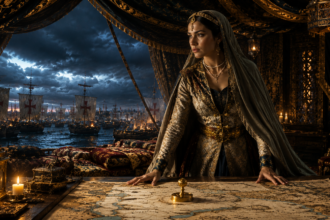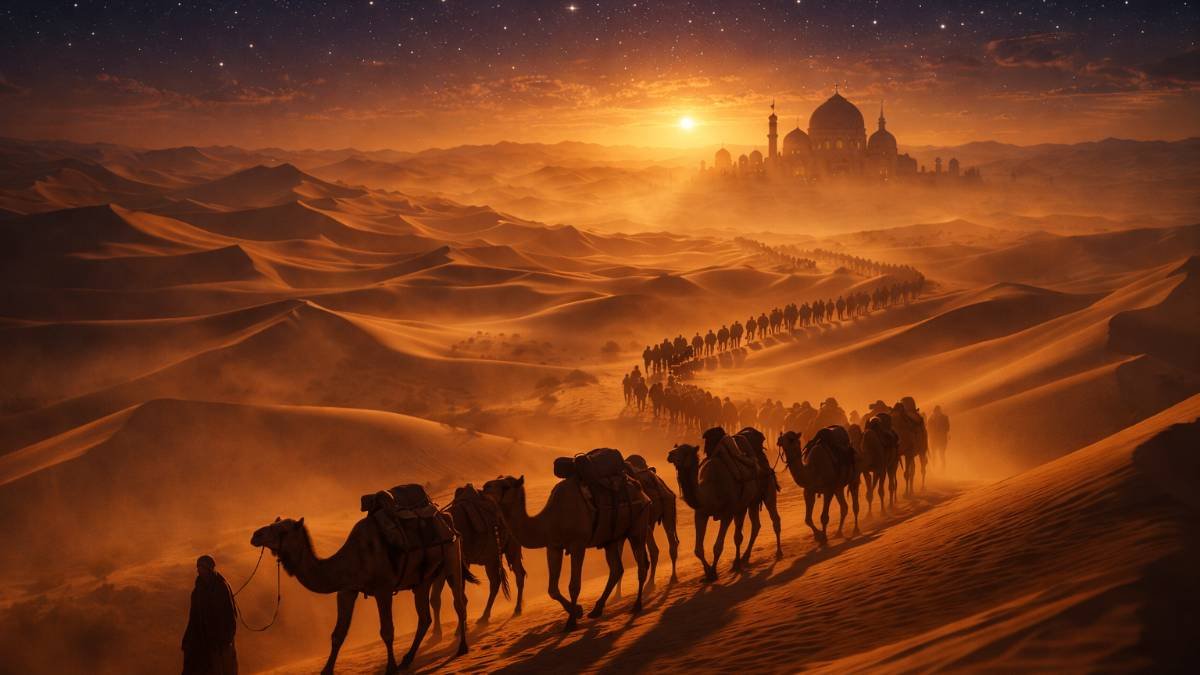
Imagine it is the year 100 AD. You are standing in a crowded marketplace in Rome. You see a wealthy woman draped in a fabric so soft, so light, and so vibrant that it looks like it was woven from moonlight. That fabric is silk. To the Romans, it was more valuable than gold, and its origin was a total mystery. They thought it grew on trees in a mystical land at the edge of the world.
That “mystical land” was China, and the bridge that connected Rome to the East was a 6,400-kilometer network of trails we now call the Silk Road.
But here is the deal: The name is a bit of a lie. It wasn’t one single road, and it certainly wasn’t just about silk. Silk Road History is actually the story of the first time humans realized that the world was bigger than their own backyard. It was a chaotic, dangerous, and brilliant superhighway that didn’t just move products—it moved the future.
Beyond the Fabric: The Real Cargo of the Caravans
If you could travel back in time and walk through a “Caravanserai” (the ancient version of a highway truck stop), you would realize that silk was just the headline.
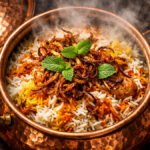
The real magic was in the variety. From the East came paper, gunpowder, and porcelain. From the West came grapes, glassware, and horses. From India came the most valuable treasure of all: Spices. Black pepper was so prized that it was known as “Black Gold,” used not just for flavor but as a currency to pay off barbarian armies.
But the most world-changing cargo was invisible. Silk Road History is the history of the spread of paper-making technology. When Chinese papermakers were captured by the Abbasid Caliphate in 751 AD, the secret of paper leaked into the Middle East and eventually Europe. Without that “leak” on the Silk Road, the Renaissance and the Printing Press might never have happened. The road gave humanity a way to record and share its thoughts across continents.
The First Cultural Superhighway: How Ideas Traveled
The Silk Road was the ultimate “melting pot.” Because merchants had to spend months traveling together, they didn’t just swap goods; they swapped gods, stories, and philosophies.
The Indian Influence
India sat right in the middle of these routes, acting as a massive cultural filter. It was along the Silk Road that Buddhism traveled from the Indian subcontinent into China, Japan, and Korea. Monks traveled with the merchants, building massive cave temples (like the Dunhuang caves) that served as ancient rest stops and libraries.
The Middle Eastern Bridge
Middle Eastern scholars used the road to bring Greek mathematics and medicine to Asia, while simultaneously bringing Indian numerals (including the concept of Zero) to the West. This wasn’t a “clash of civilizations”; it was a massive, cross-continental collaboration. The Silk Road made it possible for a scholar in Baghdad to read the works of a philosopher in Athens and a scientist in Pataliputra.
The Dark Side of Connectivity: Germs and Conflict
We can’t talk about Silk Road History without talking about its greatest tragedy. Just as the internet today carries viruses, the ancient Silk Road carried plagues.
The most famous was the Black Death. The plague-carrying fleas traveled on the backs of rats nested in grain sacks and silk bundles. The same routes that brought wealth to Europe in the 14th century also brought a disease that wiped out nearly 60% of its population.
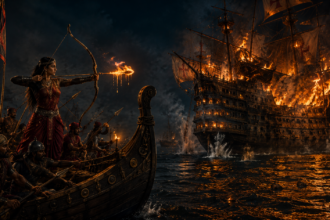
Connectivity always comes with a price. The road was also a path for conquerors. From Alexander the Great to Genghis Khan, the ease of travel made it possible for empires to grow to sizes never seen before. The Silk Road didn’t just build cities; it destroyed them, only to see them rebuilt as even more cosmopolitan hubs of trade.
The Ghost Cities: Samarkand and the Heart of the World
If the Silk Road was the internet, cities like Samarkand (in modern-day Uzbekistan) were the servers.
Samarkand was known as the “Rome of the East.” Because every merchant had to pass through it, the city became a jewel of architecture and science. It was a place where you could hear ten languages in a single street. The legendary leader Tamerlane turned it into a capital of the arts, inviting the best craftsmen from across the Silk Road to build his turquoise-domed mosques.
Today, these cities are “ghosts” of their former glory, but their impact remains. They remind us that the center of the world wasn’t always London or New York. For most of Silk Road History, the heart of human progress beat in Central Asia.
Modern Relevance: From Camels to Fiber Optics
You might think the Silk Road is a dead relic, but look around you. The logic of the Silk Road is the logic of your daily life.
The Digital Silk Road
Today, we don’t use camels; we use fiber optic cables. But the goal is the same: connecting the manufacturing power of the East with the consuming power of the West. When you order something from an international app, it is traveling along the modern ghost of these ancient routes.
The Belt and Road Initiative
In the last decade, we’ve seen a massive global push to rebuild these physical connections. Trillions of dollars are being spent on railways, ports, and highways across Asia and Europe. Governments realize what the ancient merchants knew 2,000 years ago: Infrastructure is Power. The struggle for control over these trade routes is still the primary driver of global geopolitics today.
Frequently Asked Questions (FAQs)
Q: Did one person travel the whole Silk Road?
A: Very rarely. Most merchants operated like a relay race. One group would take goods from China to Central Asia, sell them to a middleman, who would then take them to the Middle East. Marco Polo is famous precisely because he was one of the few who traveled the entire length and back.
Q: Why did the Silk Road eventually die?
A: It didn’t “die” as much as it was “upgraded.” In the 15th century, the “Age of Discovery” began. European explorers like Vasco da Gama found sea routes to India and China. Ships were faster, safer, and could carry much more weight than a camel. The overland routes became obsolete as the world moved to the oceans.
Q: Was India a part of the Silk Road?
A: Absolutely. India was the primary source of spices, gems, and textiles (like muslin). The “Grand Trunk Road” in India connected directly to the Silk Road branches, making India one of the wealthiest regions in the world during this period.
Q: Can I still visit the Silk Road today?
A: Yes! The “Silk Road Trail” through Uzbekistan, Kyrgyzstan, and Western China is one of the world’s greatest travel adventures. You can still see the ancient caravanserai and the vibrant markets that have been running for two millennia.
We Are All Travelers on the Road
The Silk Road was never just a line on a map. It was a state of mind. It was the moment humanity decided that the “Other”—the person on the other side of the mountain—had something valuable to offer.
By studying Silk Road History, we see that progress has always come from openness. When we trade, we don’t just get richer; we get smarter. We realize that our “local” culture is actually a blend of a thousand influences from people we have never met.
The camels are gone, and the dust has settled. But the connections remain. Every time you use a paper notebook, spice your food, or use a “zero” in your math, you are using a gift from the Silk Road.
The road is still open. We just call it the world now.